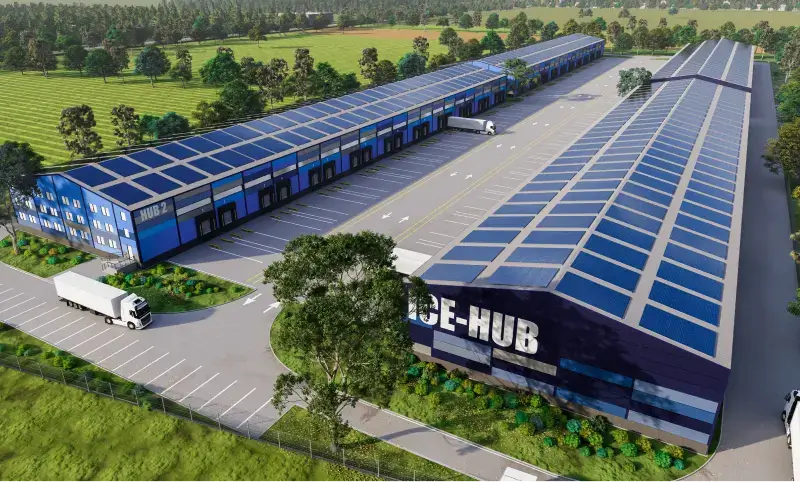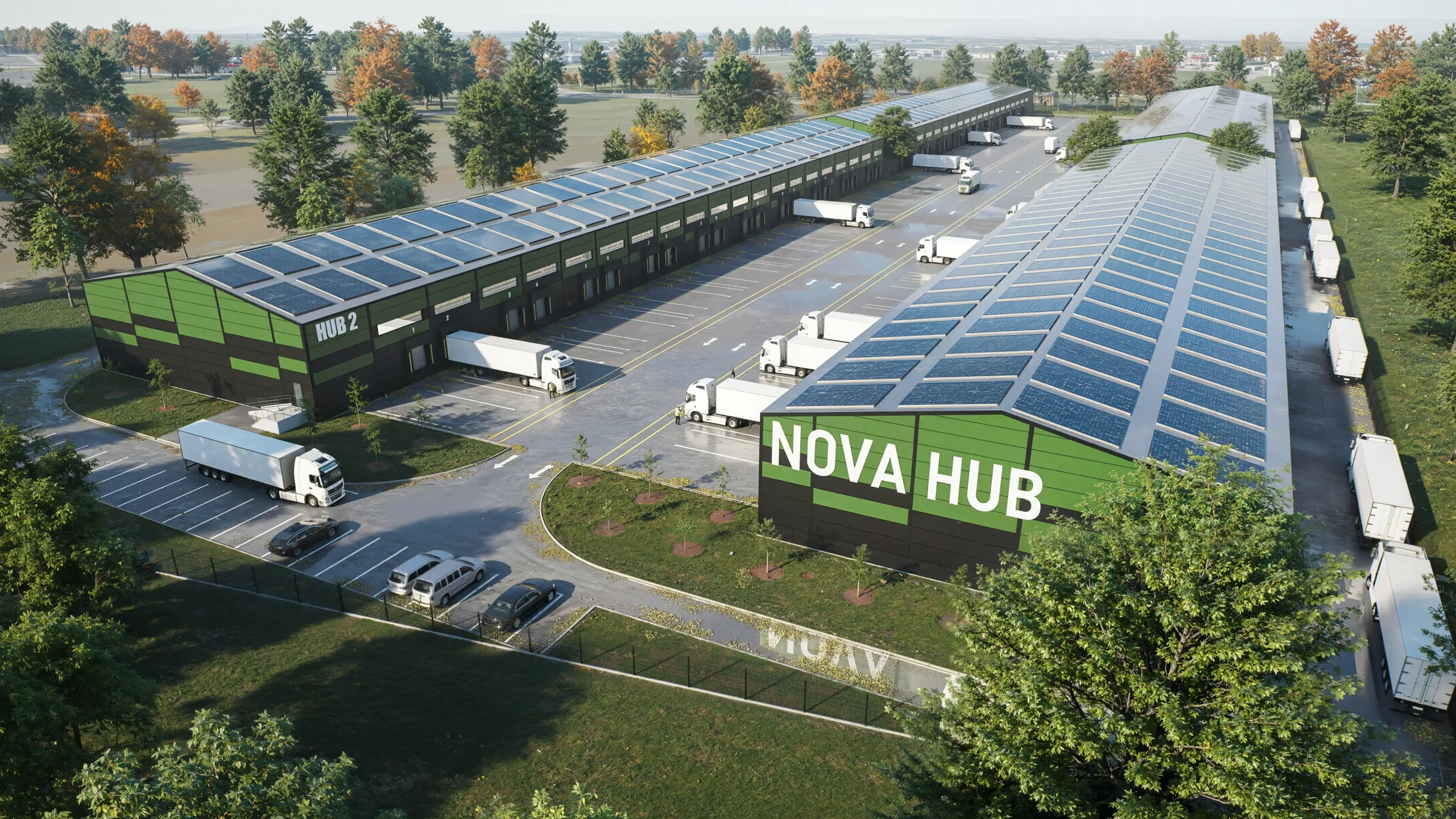


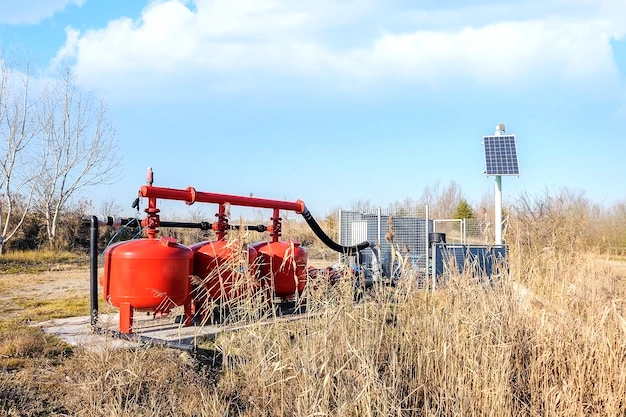
When logistics run 24/7, water is more than a utility. It is a business continuity asset. In a modern logistics center in Ukraine, the systems that keep operations moving must perform regardless of municipal interruptions. That is why the NOVA HUB logistics center approaches an autonomous water supply and fire suppression as core infrastructure, not optional add-ons. The practical value is simple. Predictable uptime, stable insurance posture, and faster commissioning for tenants who cannot afford a single avoidable outage.
🚰 Why autonomy matters for a logistics campus
Operational continuity comes first
Seasonal demand spikes and unpredictable network loads make an autonomous water supply warehouse model essential. Onsite storage, dedicated pumping, and independent power let daily operations and sanitation keep running during city supply fluctuations. It keeps teams safe and goods moving.
Risk profile and insurer expectations
Insurers increasingly request proof of redundant supply, tested pumps, and documented response times. NOVA HUB aligns with this direction by engineering capacity and pressure stability for both domestic use and fire flows. This approach supports better risk ratings and long-term cost control for occupants.
Standards and design intent
Design choices follow widely recognized industrial norms that emphasize pressure stability, reliable detection, and sectionalized distribution. The intent is straightforward. Create clear water pathways for daily use and dedicated, protected routes for sprinklers and hydrants so one system never compromises the other.
To review the sitewide technical framework, explore the summarized Characteristics of the Nova Hub logistics center, and the project-wide Advantages of “Nova Hub” that highlight reliability, European-grade build quality, and speed of delivery.
🧯 Firefighting architecture built for resilience
Water sources and protected storage
Autonomy starts with protected reservoirs sized for simultaneous domestic and fire demand. Storage is compartmentalized, so maintenance never removes full capacity from service. This pairing ensures pressure availability during peak operations and in an emergency.
Pumps and independent power
A dedicated fire pump set is separated from domestic pressure systems. Dual-source power support is designed so firefighting capacity stays online during grid interruptions. Weekly ten minute no-flow tests and periodic full-flow trials validate readiness and pressure stability.
Distribution, sprinklers, and hydrants
Looped mains with sectional valves help isolate incidents without shutting down the site. Sprinkler zones and exterior hydrants are mapped to site use types, with clear access routes for responders. This layout shortens intervention paths and reduces time to water.
Detection and supervisory control
Detection points and valve supervision feed to a central control panel. Event-driven alerts support a targeted response that aims to keep first water on the fire in under three minutes from detection. The logic is simple. Speed reduces loss.
See how these layers fit the campus in the Master plan. For developer oversight and facility governance, meet the team behind the build at Managing company and developer.
🗺️ From design to daily operation
Integrated planning with tenant needs
Engineering aligns early with tenant processes, racking geometry, and commodity classes. That reduces redesigns and accelerates handover. It also prevents costly rework when equipment density or heat load changes.
Transparent build oversight
Construction quality is validated against planned specifications for hydraulics, power, and controls. Stakeholders can follow progress via Monitor construction online, which improves coordination, speeds decisions, and protects timelines.
Commissioning and acceptance testing
Before opening, teams confirm reservoir integrity, pump performance, alarm paths, and valve positions. A baseline is recorded for flow and pressure so maintenance can track trends against a reference. The site aims for under three minute water delivery from detection, verified during drills.
Lifecycle maintenance and readiness
Facility teams schedule weekly ten minute pump spins, quarterly valve exercises, and periodic full-flow tests. Logs capture pressures, amperage, and start times. This disciplined routine preserves autonomy targets and protects the investment.
For location specifics and access, use Location and contacts. If you want to see how the vision becomes a living asset, the Visualization of the investment project provides a helpful overview.
📊 Performance targets that protect business value
Autonomy and redundancy metrics
Practical targets guide operations. Seventy two hours of onsite water autonomy for domestic use and fire reserve under normal loads. Dual-source power available for the fire pump set. Sectionalized pipe loops to isolate maintenance with minimal service impact. These are benchmarks that support resilient operations in the NOVA HUB logistics center.
Response time and testing cadence
The site drills to keep first water on the seat of a fire in under three minutes from detection. Weekly no-flow ten minute pump runs stabilize lubrication and verify starts. Periodic full-flow testing confirms hydraulic performance remains within baseline tolerances.
Water quality and asset longevity
Protected tanks and periodic sampling help prevent sediment buildup. Instrumented monitoring flags trends before they become problems. Good water quality extends valve and sprinkler life and lowers total cost of ownership.
- Business continuity Stable water, documented drills, and sectionalized mains keep operations online even during disruptions.
- Quality and speed European-grade materials, transparent construction tracking, and fast commissioning reduce time to revenue.
- Reliability by design Redundancy, testing discipline, and clear emergency pathways protect people, property, and inventory.
For a high level roadmap from concept to operations, review the Roadmap. It shows how NovaHub compresses timelines without sacrificing quality.
🎄 A season of safe growth with NovaHub
If you plan your next facility before the year closes, make water autonomy and firefighting readiness non negotiable. NovaHub delivers reliability, modern engineering, and European standards with the speed and quality your team expects. Embrace the spirit of Christmas with decisions that protect people and goods all year. Visit our site to explore opportunities, compare options, and see why an autonomous water supply warehouse at NovaHub is a future ready choice. Our team is ready to help you plan, budget, and move in with confidence.
Contact NovaHub to discuss availability at the NOVA HUB logistics center and secure durable value in a leading logistics center in Ukraine. ✨
What autonomy targets does NOVA HUB aim for in water and firefighting?
The site targets 72 hours of onsite water autonomy under normal loads and dual-source power for the fire pump set. These benchmarks support resilient, continuous operations. (Industry best practice, 2022)
How fast is the expected fire response at NOVA HUB from detection to first water?
Operational drills aim to deliver first water in under three minutes from detection. This target is reinforced through weekly pump runs and periodic full-flow testing. (NFPA 20, 2022)
What routine tests are performed to keep the firefighting system ready?
Teams conduct weekly ten minute no-flow pump runs and periodic full-flow tests. Quarterly valve exercises and logged measurements track performance against commissioning baselines. (FM Global Data Sheet 3-26, 2021)
How does NovaHub separate domestic water use from fire protection needs?
Protected reservoirs are compartmentalized and the fire pump set is isolated from domestic pressure systems. Sectionalized loops let maintenance proceed without removing full capacity. (Industry best practice, 2022)
Where can I review plans and construction progress for NOVA HUB?
You can review the Master plan, see the developer information, and monitor construction online via the project’s official pages mentioned in the article. This transparency accelerates decisions and protects timelines. (NovaHub, 2025)