


E‑commerce in Ukraine is shifting demand toward modern, flexible warehouses with better locations, specs, and scalability. Businesses that redesign their logistics networks with partners like NovaHub gain speed, resilience, and lower cost per order.
E‑commerce in Ukraine has moved from a promising niche to a core sales channel for retailers and manufacturers. This shift creates a structural change in how companies think about warehouse capacity, speed of fulfillment, and where to place their logistics infrastructure. Those who still rely on outdated storage models risk losing both customers and margin.
This article explains how online retail is transforming demand for warehouses, what types of facilities are now required, and how location choices are changing across the country. You will see which specifications matter most for e‑commerce, what typical mistakes businesses make when selecting or building warehouses, and how modern logistics hubs such as NovaHub help companies stay flexible and resilient. Along the way, we will look at real market examples and outline practical steps to future‑proof your logistics strategy.
🌐 How e‑commerce is reshaping warehouse demand in Ukraine
The shift from pallet storage to piece picking
Traditional Ukrainian warehouses were designed for pallet storage that supported wholesale and offline retail. Orders were larger, product lines were shorter, and picking speed was less critical. E‑commerce, by contrast, is all about high SKU counts, small orders, and rapid delivery expectations.
This changes the internal logic of any logistics center in Ukraine. Racking, mezzanines, automation, and IT systems must support unit picking, fast consolidation, and frequent returns. The focus moves from “how many pallets can we store” to “how many orders per hour can we process without errors”.
From static capacity to flexible throughput
Online sales volumes fluctuate strongly with promotions, social media activity, and seasonality. A warehouse that is perfectly sized for an average month will be overwhelmed on Black Friday or during New Year campaigns. E‑commerce operators therefore prioritize throughput flexibility over static capacity.
Modern facilities allow zones to be quickly reconfigured, additional shifts to be launched, and temporary automation to be integrated. When planning warehouse premises in Ukraine, tenants increasingly ask not only about square meters, but also about power reserves, ceiling height, and how easily processes can be scaled.
Customer expectations and delivery speed
Same‑day and next‑day delivery have become the benchmark in large cities such as Kyiv, Lviv, and Dnipro. Regional customers are also less willing to wait than they were five years ago. This behavioral change drives demand for urban and near‑urban warehouses, even if such locations are more expensive.
In practice this means businesses often need a two‑tier network. Big regional fulfillment hubs cover national stock, while smaller cross‑docking or last‑mile sites focus on storage and distribution for dense urban demand. E‑commerce does not replace central warehouses, it adds extra layers to the network.
Impact on lease terms and investment decisions
Tenants that grow online sales quickly are skeptical about very long leases in inflexible buildings. They prefer built‑to‑suit or highly standardized modern stock that can be reconfigured as needed. Developers respond by creating modular parks where units can be combined or separated over time.
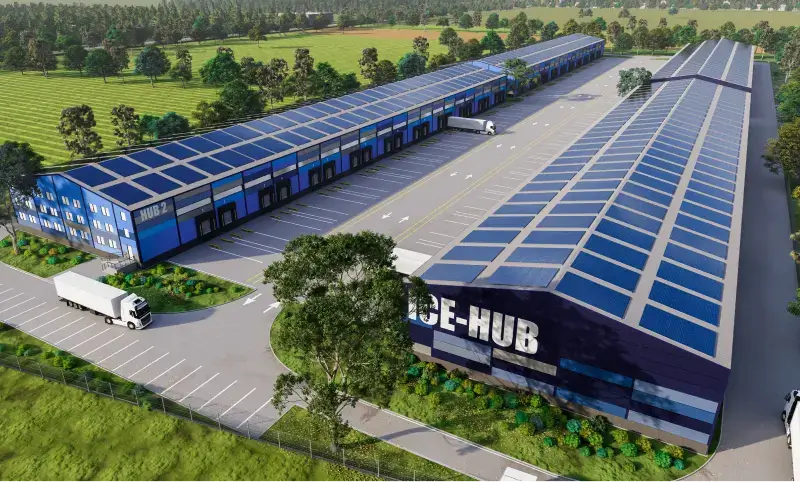
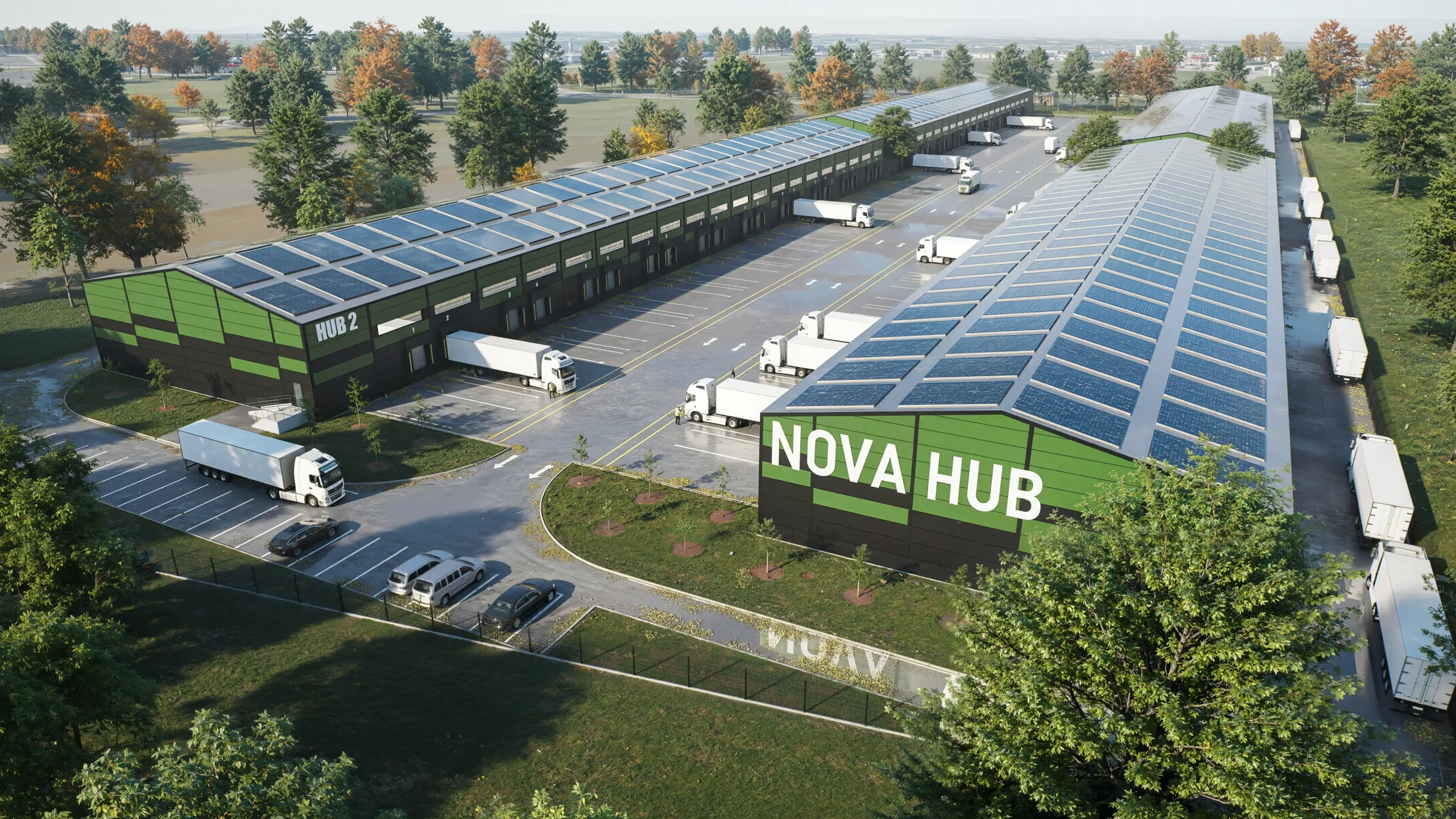
For investors, this trend increases interest in high‑spec logistics parks near main highways and urban clusters. Projects like NovaHub, which follow strict European construction standards and support fast commissioning, are better positioned to capture this structural demand shift.
🧭 Key trends in Ukrainian warehouse geography
Kyiv and central Ukraine as the primary fulfillment hub
Kyiv and the surrounding region remain the core of the Ukrainian logistics map. Most nationwide marketplaces and leading retailers centralize their main inventory around the capital because it offers good access to all macro‑regions and the highest concentration of end customers.
Developers therefore prioritize large parks along key exits from Kyiv that connect to major highways. These locations allow carriers to dispatch night line‑hauls to western, eastern, and southern regions, while still serving Kyiv and its suburbs with same‑day delivery on many routes.
Regional clusters: Lviv, Odesa, Dnipro, Kharkiv
Western Ukraine, particularly Lviv and surrounding districts, is becoming increasingly important. Proximity to EU borders simplifies export flows and cross‑border e‑commerce. Many companies are adding a dedicated logistics center in Ukraine’s west to reduce transit times to Poland, Slovakia, and further into Europe.
In the south and east, cities such as Odesa, Dnipro, and Kharkiv host regional hubs that feed surrounding oblasts. These nodes handle regional storage and distribution, manage local returns, and often act as cross‑docking platforms for marketplace sellers. Demand focuses on buildings with modern loading docks, good access roads, and reliable utilities.
Urban and near‑urban warehouses
E‑commerce has created strong demand for smaller facilities near residential districts, especially for food, pharmacy, and quick‑commerce categories. These sites rarely exceed 10,000–15,000 sq m but must support very high operational intensity.
Urban warehouses must balance accessibility with zoning and environmental requirements. Careful planning of traffic flow, parking, and noise mitigation becomes essential. Developers who can offer ready‑to‑operate units with sufficient power, modern fire safety, and convenient courier access gain a clear edge.
Resilience, risk diversification, and relocation
Given Ukraine’s security context, many businesses are revisiting the geographic distribution of their warehouses. Some have moved capacity from higher‑risk regions to central or western areas. Others diversify between at least two or three independent locations to protect operations.
In short, network resilience now matters as much as pure cost efficiency. A modern logistics solution for business in Ukraine often includes backup storage options, flexible leasing structures, and predefined relocation scenarios agreed with the developer.
🏗 What modern warehouse facilities must offer e‑commerce
Technical specifications that really matter
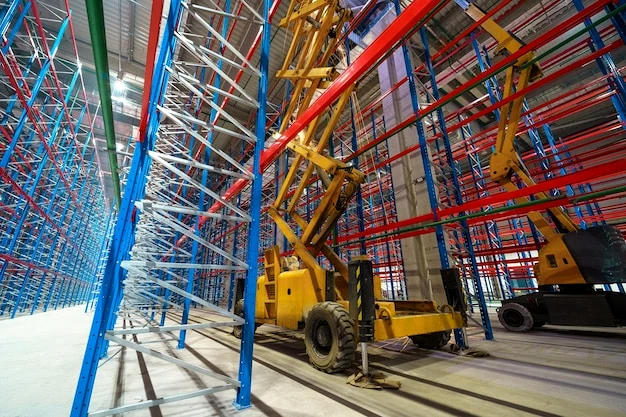
Online fulfillment puts specific demands on building specifications. Clear internal height, floor load capacity, and column grid define how much racking or mezzanine you can install. Proper insulation and temperature control become critical for categories like cosmetics, food, and pharmaceuticals.
Power capacity is equally important. Even if you do not install automation in the first year, growth in conveyor systems, sorters, and charging stations for electric equipment requires reserve power. NovaHub focuses on designing warehouses that meet high European construction standards so that tenants can safely scale operations without expensive retrofitting.
Designing for process efficiency
Physical layout has a direct impact on labor productivity and delivery speed. Efficient e‑commerce warehouses are designed around order flows, not only around storage density. Receiving, quality control, picking, packing, and dispatch zones must support smooth one‑directional movement of goods.
Developers who understand these flows can propose layouts that minimize travel time and bottlenecks. For example, separating returns processing from outbound packing helps avoid congestion. Pairing ground‑floor cross‑docking with upper‑floor storage can work well if vertical movement is carefully planned.
IT infrastructure and automation readiness
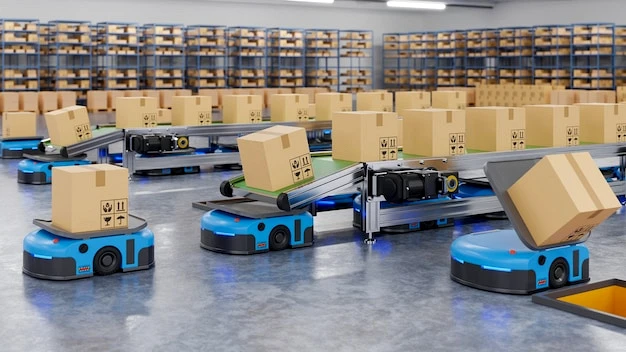
Even when a tenant starts with manual operations, the building must support future automation. This requires stable internet connectivity, physical space for control rooms, and cable trays for network and power. It is also wise to consider where you could add sorters, put‑to‑light systems, or automated storage modules later.
From a practical angle, developers like NovaHub prepare their parks with structured cabling routes, technical rooms, and reinforced floors in selected areas. This reduces downtime and cost when tenants decide to upgrade their fulfillment technology.
Sustainability, comfort, and employee safety
E‑commerce operations employ large teams, sometimes hundreds of people per site. Comfort and safety are no longer optional. Lighting, ventilation, break areas, and locker rooms directly influence retention and productivity, especially in tight labor markets.
Many international brands also require clear environmental and safety standards for all sites. Facilities that use energy‑efficient lighting, implement water management systems, and follow strict fire safety norms are more attractive to global tenants and investors alike.
⚖️ Advantages and limitations of e‑commerce‑driven warehouses
Key advantages for businesses
Purpose‑built e‑commerce warehouses offer multiple strategic benefits compared with retrofitted Soviet‑era buildings. When the building and operations are aligned, companies reduce handling times, error rates, and operational costs per order.
They also gain higher agility. Capacity can be raised through better layout, additional shifts, or selective automation before any physical expansion is needed. This is essential for fast‑growing brands and marketplaces.
Strengths: pros list
- Higher productivity: Modern layouts and racking systems reduce travel time per order and improve pick rates.
- Better customer service: Faster processing enables same‑day and next‑day delivery, plus more reliable delivery windows.
- Scalability: Buildings with high ceilings, strong floors, and sufficient power allow future automation and mezzanine expansion.
- Operational reliability: New construction with European standards means fewer breakdowns, leaks, and unplanned interruptions.
- Employer branding: Comfortable, safe facilities help attract and retain warehouse staff.
Limitations and challenges
Despite clear advantages, there are also realistic constraints that every company should consider before committing to a modern facility. Understanding them upfront helps avoid disappointment later.
- Higher entry cost: Premium specification buildings are usually more expensive than legacy stock, especially in urban areas.
- Location trade‑offs: Near‑city warehouses offer speed but may have more traffic, stricter zoning, and higher land costs.
- Complex implementation: Designing processes, IT integration, and automation requires expertise many companies still lack.
- Longer planning cycle: Built‑to‑suit projects need time for design, permitting, and construction before operations can start.
- Dependence on partners: Businesses rely heavily on the developer’s reliability and construction quality.
How NovaHub addresses these pros and cons
NovaHub focuses on combining reliability, modern building standards, and fast project delivery. Standardized modules and proven designs shorten the implementation timeline, while flexible planning allows tenants to start with basic fit‑out and then expand.
By following high European construction standards and providing clear technical documentation, NovaHub reduces operational risk for tenants and investors. Put simply, the company aims to remove as much uncertainty as possible from the warehouse selection and construction process.
📦 Practical case studies from the Ukrainian market
Marketplace building a national fulfillment network
Consider a fast‑growing Ukrainian marketplace that historically operated from several small legacy warehouses around Kyiv. As online traffic grew, these scattered sites could no longer support fast processing. Orders were delayed, inventory was fragmented, and the company struggled to maintain service levels.
The management team decided to centralize stock into a new, modern hub near a Kyiv highway exit. The selected warehouse premises in Ukraine had higher ceilings, a wide column grid, and sufficient power for future automation. Within one year, the marketplace consolidated inventory, added a mezzanine for small items, and introduced conveyor‑based sorting. Processing capacity increased significantly without proportional growth in headcount.
Retailer turning stores into mini‑hubs
A national electronics retailer faced a different challenge. Its traditional distribution center was efficient, but last‑mile delivery times to customers in major cities were under pressure. The company decided to use some of its larger urban stores as mini fulfillment hubs for same‑day orders.
To support this approach, the retailer leased compact urban warehouse space connected to the main store in Lviv. This facility focused on fast storage and distribution of high‑turnover items only. Bulk inventory remained in a larger regional center. The combination allowed the brand to promise faster delivery times in the city while keeping overall logistics costs under control.
International brand entering Ukraine with strict standards
An international FMCG company explored entry into the Ukrainian market and required facilities that matched its global safety and sustainability policies. Older sites with limited documentation and inconsistent fire systems were not acceptable for the corporate risk team.
The brand ultimately partnered with a developer who could deliver a modern logistics center in Ukraine’s central region with certified materials, high‑quality fire systems, and clear compliance reports. This level of transparency and construction quality was decisive for the investment committee.
Comparison of legacy vs modern warehouses
| Criteria | Legacy warehouse | Modern NovaHub‑type warehouse |
|---|---|---|
| Ceiling height | 6–8 m, limited mezzanine options | 10–12 m, supports multi‑level racking |
| Floor quality | Uneven, lower load capacity | Flat industrial floor, higher load capacity |
| Dock equipment | Basic gates, often manual | Modern dock levelers, seals, safety systems |
| Energy efficiency | Minimal insulation, high heating cost | Improved insulation, LED lighting, optimized HVAC |
| IT and automation readiness | Limited power and cabling routes | Reserved power, structured cabling, technical rooms |
❌ Common mistakes when planning new warehouse capacity
Focusing only on rent per square meter
Many companies initially compare sites using only rental rate per square meter. This seems rational but can be misleading. Lower rent in a remote or inefficient building often results in much higher operating costs, staff turnover, and transport expenses.
When total cost per order is calculated, a slightly more expensive but well‑located and better designed facility may turn out to be cheaper. It is important to evaluate the full logistics solution for business, not just nominal rent.
Underestimating peak volumes and seasonality
Another common mistake is designing warehouses only for average daily volumes. E‑commerce peaks during promotions and holidays can be several times higher than normal. If the building and processes cannot absorb these spikes, service failures are almost guaranteed.
In practice, planning for peak throughput means leaving some physical and process reserve: extra staging areas, flexible shift patterns, and the possibility to add temporary automation or manual picking zones when needed.
Ignoring employee access and working conditions
Sites chosen purely for low land cost may be difficult to reach by public transport. This complicates recruitment and increases staff turnover. Poor lighting, lack of amenities, or inadequate heating further reduce employee satisfaction.
Modern developers increasingly plan parking, bus routes, break areas, and safe pedestrian paths as integral parts of the project. Businesses that ignore these aspects often struggle to maintain stable operations, especially during peak seasons.
Delaying IT and process design
Some companies sign leases and start fit‑out before fully defining their warehouse processes, IT systems, and equipment needs. This sequence leads to costly redesigns, delays, and sometimes physical constraints that limit future optimization.
The better approach is to align building choice, process design, and system configuration from the start. Developers like NovaHub are most effective when involved early, so layouts and utilities support the desired operational model.
Not planning for regulatory and insurance requirements
Fire safety, environmental norms, and insurance standards are tightening across Europe, and Ukraine follows this direction. If a warehouse does not meet future requirements, retrofitting can be expensive or even impossible.
Choosing facilities with high construction quality, proper certifications, and transparent documentation reduces this risk. As one logistics analyst from a European consultancy put it:
“Investing in compliant, high‑quality logistics assets upfront is usually cheaper over the full life cycle than constantly patching older facilities that never fully meet safety and sustainability expectations.” — Industry Logistics Outlook, 2024

🛠 Practical recommendations for Ukrainian e‑commerce logistics
Assess total cost per order, not just facility cost
To sum it up clearly, you should evaluate warehouse options through the lens of total cost per order. Include rent, utilities, labor efficiency, transport, IT, and shrinkage. A more efficient facility often allows you to process more orders with the same team size.
Ask potential partners for layout proposals and operational simulations. Developers experienced with e‑commerce can show how different configurations affect travel time, picking productivity, and dock utilization.
Design a phased growth roadmap
Instead of searching for a “forever” warehouse, design a realistic three‑to‑five‑year roadmap. Start with a building that supports your next growth phase and can then be expanded or reconfigured. This might include options to add mezzanines, extend the building, or lease neighboring units in the same park.
NovaHub’s modular park concepts are one way to implement such phased growth. Tenants can begin with a single unit, then add modules or upgrade automation as demand grows, without relocating the entire operation.
Balance central hubs and regional nodes
For most nationwide players, a mix of one or two large central hubs and several regional or urban nodes works best. Central hubs optimize inventory and inbound flows, while smaller nodes shorten delivery times and handle returns locally.
When selecting locations, consider both current and future demand. For example, a central hub in the Kyiv region combined with a western node near Lviv can support domestic customers and cross‑border e‑commerce into the EU.
Strengthen collaboration between operations, IT, and real estate teams
Successful e‑commerce logistics projects always involve close collaboration between warehouse operations, IT, and real estate or finance teams. Misalignment between these functions is a root cause of many delays and cost overruns.
It is practical to appoint a cross‑functional project lead who coordinates process design, WMS selection, building choice, and fit‑out. External partners such as NovaHub and system integrators should be included in these discussions from early stages.
Choose reliable partners with proven construction quality
Warehouse failures, from roof leaks to power outages, can paralyze operations and damage customer trust. This is why reliability and construction quality must be central criteria when choosing a developer or landlord.
NovaHub builds modern complexes with high European standards, strong structural elements, and robust engineering systems. Combined with fast and transparent project management, this provides tenants with both speed and long‑term assurance.
- Check references: Talk to existing tenants about their actual experience with building quality and service.
- Review technical specs: Make sure floor, height, power, and dock systems match your operational plans.
- Plan inspections: Conduct detailed technical inspections before signing long leases or investing in fit‑out.
🔮 Outlook for logistics real estate in Ukraine
Growing demand for high‑spec facilities
As e‑commerce penetration rises and more international players enter the Ukrainian market, demand will shift further towards high‑spec logistics parks. Outdated buildings with low ceilings and poor documentation will remain in use for some time but will steadily lose attractiveness.
Developers who can deliver modern, flexible space quickly and reliably will capture a growing share of new demand. Facilities designed around storage and distribution efficiency, not only pure storage volume, will define the next generation of projects.
Increasing role of automation and data
Automation levels in Ukraine are still moderate compared with Western Europe, yet the direction is clear. Rising labor costs, staff shortages, and higher service expectations push operators towards more advanced equipment and data‑driven optimization.
Buildings ready for conveyors, robotic solutions, and advanced WMS integration will have a competitive advantage on the leasing market. Over time, these capabilities may even become a baseline requirement for large tenants.
Convergence of warehouse and light production
Many companies combine light assembly, configuration, or packaging with their logistics operations. Examples include kitting, product personalization, or simple repairs. This blurs the line between classical warehousing and light industrial activities.
As a result, future logistic parks in Ukraine will increasingly include units that support both storage and light production. Flexible layouts, stronger floors, and more power per square meter will become common features.
Comparing warehouse formats for e‑commerce
| Format | Typical size | Main role | Best suited for |
|---|---|---|---|
| Central fulfillment center | 20,000–60,000 sq m | National inventory and order processing | Large marketplaces, nationwide retailers |
| Regional hub | 10,000–30,000 sq m | Regional storage and distribution, returns | Brands with strong regional sales |
| Urban last‑mile site | 2,000–15,000 sq m | Same‑day delivery, quick‑commerce | Food, pharma, fast‑moving categories |
| Hybrid warehouse‑production unit | 5,000–25,000 sq m | Storage plus light assembly or kitting | Electronics, fashion, B2B services |
✅ Conclusion: how to act on these trends
E‑commerce has fundamentally changed how Ukrainian companies view warehouse capacity, location, and building quality. The focus has shifted from static pallet storage to dynamic order fulfillment, with strong emphasis on customer delivery times, flexibility, and operational resilience. Modern facilities that support efficient storage and distribution processes, automation readiness, and comfortable working conditions deliver clear competitive advantages.
Businesses that plan their logistics networks with realistic peak scenarios, balanced central and regional hubs, and well‑chosen partners will be best positioned for growth. NovaHub offers reliable, modern logistics complexes built to high European standards, combining speed of delivery with quality construction so your operations stay robust as e‑commerce evolves.
If you are preparing for the New Year season and want your online orders to reach customers quickly and reliably, this is the right moment to review your warehouse strategy. Explore NovaHub’s modern logistics parks to find a logistics solution for business that supports festive‑season peaks, emotionally engaging holiday campaigns, and smooth deliveries across Ukraine. Visit our website to discover current options and plan your next‑generation warehouse before the next wave of New Year demand arrives.
Sources
— Industry Logistics Outlook (2024)
— Statista E‑commerce Market Review (2024)
— McKinsey & Company, Global Logistics Report (2023)
— CBRE Ukraine Logistics Market Snapshot (2023)
— NovaHub internal project experience (2022–2024)
Frequently Asked Questions
How does e‑commerce change the way warehouses are designed in Ukraine?
E‑commerce shifts the focus from pallet storage to fast order fulfillment, with more unit picking, returns handling, and automation readiness. This requires higher ceilings, better layouts, stronger floors, and reliable IT infrastructure compared with traditional warehouses.
Why are Kyiv and Lviv so important for logistics centers in Ukraine?
Kyiv is the main national hub thanks to its central position and large customer base, making it ideal for central fulfillment centers. Lviv and western Ukraine offer strong access to EU markets, which is valuable for cross‑border e‑commerce and export‑oriented logistics.
What are the biggest mistakes companies make when choosing warehouse premises in Ukraine?
Typical mistakes include focusing only on rent per square meter, underestimating peak volumes, ignoring employee access, and delaying IT and process design. These issues usually lead to higher operating costs, bottlenecks during promotions, and difficulties in scaling operations.
How can NovaHub help my business scale e‑commerce operations?
NovaHub develops modern logistics complexes with high European construction standards, strong engineering systems, and modular layouts. This combination allows businesses to start quickly, then add mezzanines, automation, or additional units as e‑commerce demand grows.
What is the difference between a central fulfillment center and a regional hub?
A central fulfillment center is larger and manages national inventory and order processing, often near Kyiv. A regional hub is smaller, focuses on regional storage and distribution, and usually handles local returns to shorten delivery times and reduce transport costs.
When should a company invest in urban last‑mile warehouses?
Urban last‑mile sites make sense when customers expect same‑day or very fast delivery in major cities, especially for food, pharma, and quick‑commerce categories. They are typically used together with larger central or regional hubs rather than replacing them.
How do modern warehouses improve employee retention and safety?
New facilities offer better lighting, ventilation, heating, and amenities such as break areas and locker rooms, which support comfort and retention. They also incorporate advanced fire safety systems, clear traffic flows, and modern dock equipment that reduce workplace risks.
What role will automation play in Ukrainian warehouses in the coming years?
Automation will become increasingly important as labor costs rise and service standards tighten, leading to wider use of conveyors, sorters, and robotics. Buildings designed with sufficient power, structured cabling, and space for equipment will be better positioned to adopt these technologies.
How far ahead should I plan my warehouse capacity for e‑commerce?
It is practical to plan for a three‑to‑five‑year horizon with a phased roadmap rather than search for a “forever” facility. This means choosing a building that meets near‑term needs but can be expanded or reconfigured through mezzanines, added units, or increased automation.
Why is construction quality such a priority for logistics real estate?
High construction quality reduces the risk of leaks, structural problems, and power failures that can shut down operations. According to industry reports such as the Global Logistics Report (McKinsey, 2023), investing in compliant, well‑built assets is usually cheaper over the full life cycle than constantly repairing substandard facilities.