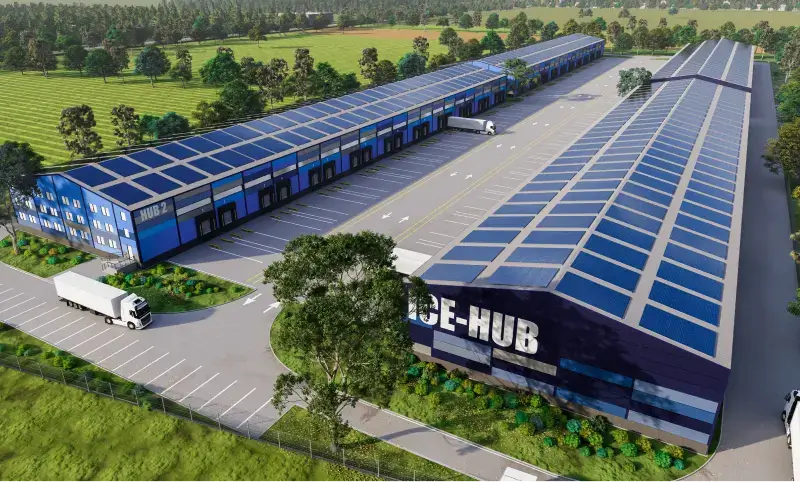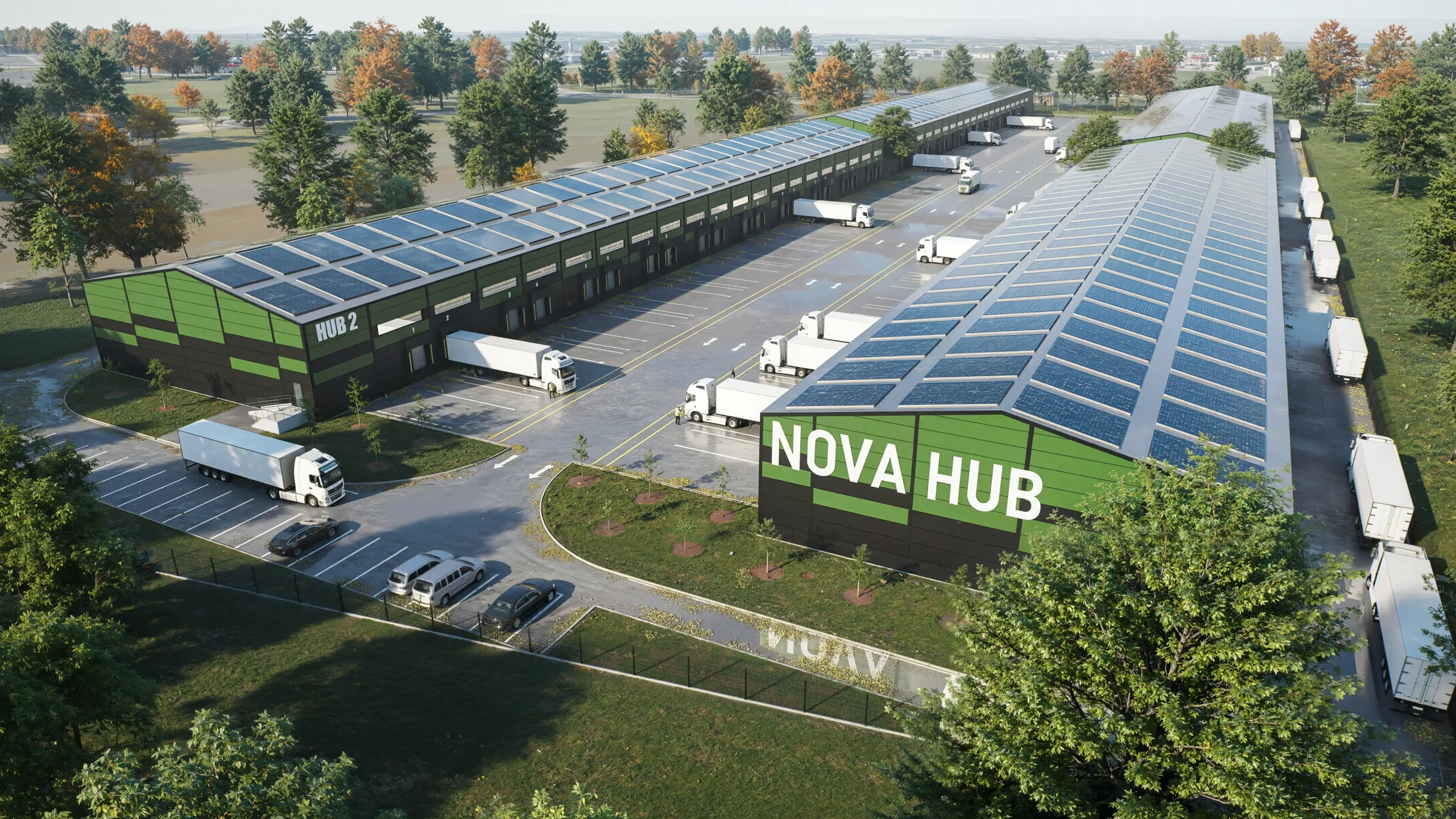


Select a warm warehouse in Odesa based on climate stability, food safety, location, and growth plans. Use expert developers like NovaHub to design efficient, compliant facilities that cut shrinkage and support FMCG expansion.
FMCG logistics in Ukraine is changing fast as retail chains demand shorter lead times, stricter shelf‑life control, and guaranteed product quality in any season. In coastal cities like Odesa, with humid sea air and temperature swings, the choice of warehouse format directly affects shrinkage, returns, and brand reputation. Many companies still try to adapt outdated facilities instead of planning a modern solution tailored to their product mix and growth plans.
This article explains how an FMCG business can systematically choose a warm warehouse in Odesa that supports sales rather than blocking them. You will see how to evaluate location, building quality, temperature and humidity control, food safety requirements, rental versus construction options, and how partners such as NovaHub help minimize risks. Along the way, we will review pros and cons, practical cases, typical mistakes, and concrete recommendations for decision makers.
🔥 What does “warm warehouse” really mean for FMCG in Odesa?
Key functional differences from a standard dry warehouse
In FMCG, a warm warehouse is more than just a building that stays above zero in winter. It is a facility where the indoor climate is kept within a defined temperature range and monitored so that goods remain stable all year. For Odesa, this usually means protection from cold snaps and from summer humidity driven by the Black Sea.
Compared with typical dry storage, a warm facility for consumer goods has improved insulation, sealed gates, fewer uncontrolled air leaks, and better floor and wall protection. It also allows staff to work efficiently without interruptions due to frost, condensation, or overheating, which matters for high‑turnover operations.
When a warm configuration is enough and when you need full temperature control
Some FMCG categories, such as packaging, household goods, and noncritical cosmetics, usually require only a stable positive temperature. They can be handled in a well insulated, heated warehouse without sophisticated cooling technology. This often reduces both CAPEX and OPEX compared with cold storage.
Perishable categories tell a different story. Chocolate, dairy, some beverages, and baby food normally need narrow temperature bands and constant monitoring. In that case you are no longer looking just for warm storage. You need part of the site configured as a temperature-controlled warehouse in Ukraine that supports several climate zones on a single platform.
How climate and infrastructure in Odesa influence specifications
Odesa’s maritime climate creates specific warehouse design tasks. Winters are not extremely cold, yet wind and humidity increase heating losses and cause condensation on poorly insulated surfaces. Summers are sunny and warm, so the roof and facade materials must protect from overheating.
Close proximity to the port, industrial zones, and major highways makes the city attractive for regional distribution. That also means more heavy vehicle traffic, vibration, and dust around logistics clusters. The right building solution compensates for these impacts through proper sealing, paving standards, and loading area design.
📍 How to choose the right location in and around Odesa
Balancing distance to retail clients and transport accessibility
FMCG distributors usually serve both Odesa city and the broader southern region. The warehouse must offer a reasonable compromise between proximity to key retail clusters and access to major routes such as the highways toward Kyiv, Mykolaiv, and the border crossings. Extra ten kilometers can be justified if they save you time in daily outbound flows.
When comparing locations, calculate not only line‑haul distances but also realistic travel times with typical traffic and road quality. For high‑turnover categories, even small delays on morning deliveries can push your products off the shelf in favor of competitors.
Safety, utilities, and surrounding infrastructure
The area around the warehouse influences both operational risk and total cost. You should check the reliability of power and gas supply, capacity of water and sewage networks, and the condition of access roads. Frequent outages or weak grid connections can compromise heating, refrigeration, and IT systems.
Look at lighting, security, and neighboring businesses. Shared logistics clusters with guarded perimeters often provide better safety for vehicles and goods. They can also make it easier to scale when volumes grow and you need additional space or new temperature zones.
Local regulations and zoning specifics
In Ukraine, local zoning plans and building codes define what type of activity is allowed on a plot and which sanitary distances must be respected. FMCG warehouses that store foodstuffs or chemicals have to respect stricter rules than generic storage. Due diligence at this stage prevents expensive redesigns later.
Professional developers such as NovaHub work with specialized legal and design teams who know how to interpret regional legislation in Odesa and surrounding communities. That experience helps align your warehouse for food products or cosmetics with sanitary and fire safety standards from the very start.
🏗️ Building quality and design: what FMCG operators must verify
Thermal envelope, insulation, and height
The core of any warm facility is its envelope. Walls, roof, and dock areas must keep valuable energy inside and moisture outside. Ask about the thickness and type of insulation materials, the presence of thermal breaks, and the quality of joint sealing between panels and structural elements.
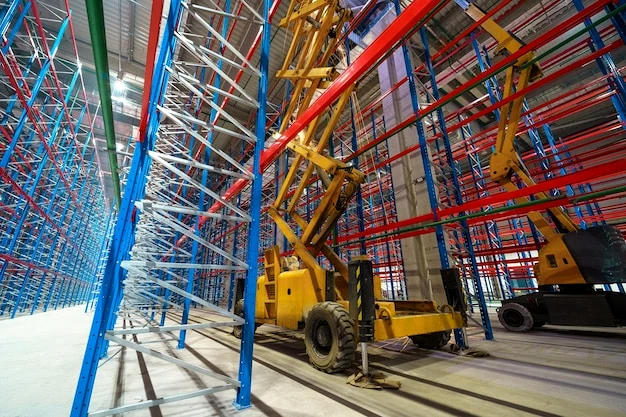
Clear height plays a double role. It defines how many pallets you can store per square meter and how even the temperature will be across the volume. Higher warehouses need more carefully designed air distribution so that products at the top of the racking enjoy the same conditions as those near the floor.
Floors, loading docks, and internal zoning
FMCG operations put continuous stress on floors due to intensive forklift traffic, racking legs, and possible liquid spills. The concrete slab must be designed for high loads, with flatness and crack control suitable for narrow aisle equipment if required. Surface treatment affects cleaning and hygiene, especially for food categories.
Dock layout deserves separate attention. The number and type of dock levelers, shelters, and bumpers determine how fast trucks are turned and how much heat leaves the building during loading. For multi‑temperature sites, you need a clear zoning concept that separates ambient, warm, and chilled areas while maintaining logical product flows.
Engineering systems and monitoring
Heating, ventilation, and cooling systems are the organs that keep the building “alive”. Clarify which technologies are used, what redundancy exists, and how maintenance is organized. For FMCG, stable performance is usually more important than the absolute lowest energy cost on paper.
Modern solutions include centralized monitoring of temperature and humidity with sensors throughout the warehouse. NovaHub, for example, focuses on contemporary complexes designed to align with high European standards, where data from sensors is accessible in real time through building management systems.
📦 Food safety and compliance requirements
Standards that affect warehouse for food products
When you operate a warehouse for food products, storage conditions become part of your food safety management system. Ukrainian regulations align increasingly with EU approaches and refer to principles similar to HACCP, where each stage from intake to dispatch is analyzed for risks.
In practice this means traceable temperature logs, documented cleaning routines, pest control, and strict zoning between clean and potentially contaminated areas. The building must support these procedures with washable surfaces, convenient drainage where needed, and controlled staff flows.
Handling mixed FMCG portfolios
Many distributors handle both edibles and nonfood items such as detergents, aerosols, or batteries. Storing them in the same warm warehouse is possible only with proper segregation. At minimum, aisles, racking rows, and sometimes whole zones should be reserved for incompatible product groups.
Separate ventilation or containment may be needed for chemicals that emit vapors. Some international retailers also require stricter internal rules than local regulations demand. Experienced developers can incorporate these conditions into the layout and fire safety design during the planning phase.
Documentation and audits
Food manufacturers and large chains often audit their logistics partners. They look at building quality, documentation, and how operators react to deviations. Warm storage without evidence of monitoring is rarely acceptable for higher‑value food categories.
Reliable partners prepare in advance. They maintain calibration records for thermometers, define action plans for equipment failure, and keep digital archives of all relevant logs. In short, the warehouse is designed not only to store pallets but also to pass audits with confidence.
⚖️ Pros and cons of warm FMCG warehouses in Odesa
Main advantages for FMCG operators
- Reduced product loss: Stable positive temperature and lower humidity reduce spoilage of food, cosmetics, and packaging that can deform or mold.
- Better working conditions: Staff productivity improves when they are not exposed to extreme cold or heat during picking and loading.
- Wider product portfolio: A warm, well designed facility allows you to distribute more sensitive categories without switching to full cold storage.
- Brand protection: Fewer complaints related to quality on arrival help maintain retailer trust and shelf space.
- Energy efficiency potential: With quality insulation and engineering, heating costs stay predictable even during the coldest weeks.
Limitations and possible drawbacks
- Higher investment: Building or leasing a warm, insulated facility costs more than simple unheated space, especially with advanced monitoring.
- Not enough for some products: For ice cream, fresh meat, or pharma, warm storage is inadequate and full cold chain infrastructure is required.
- Operational discipline required: Open dock doors or poor pallet wrapping can quickly compromise the internal climate.
- Technical dependence: The warehouse relies heavily on functioning heating and ventilation systems, so outages must be minimized.
- Complex design process: Achieving European‑level performance in Odesa’s climate requires expert engineering and quality control during construction.
📊 Comparing warm, temperature-controlled, and standard warehouses
Functional differences at a glance
| Parameter | Standard dry warehouse | Warm FMCG warehouse | Temperature-controlled facility |
|---|---|---|---|
| Typical temperature range | From near freezing to hot in summer | Usually +5 °C to +25 °C, limited fluctuations | Narrow ranges by zone, for example +2 °C to +8 °C or +14 °C to +18 °C |
| Product categories | Non sensitive goods, some packaging | Most FMCG except strict cold chain | Perishables, premium chocolate, some pharma |
| CAPEX / OPEX | Low | Medium | High |
| Monitoring | Occasional manual checks | Regular checks, basic sensors | Continuous digital monitoring and alarms |
Location and transport cost comparison
| Scenario | Location | Average last‑mile time to Odesa city | Suitable use case |
|---|---|---|---|
| Urban | Within city limits | 20–40 minutes | High frequency deliveries to supermarkets and convenience stores |
| Peri‑urban | Ring around Odesa | 30–60 minutes | Regional distribution with mixed retail and HoReCa clients |
| Regional hub | Near major highway junctions | 45–90 minutes | Serving multiple regions from one consolidated center |
Interpreting these differences for your business
In essence, standard dry storage fits only the least demanding segments of an FMCG portfolio. A warm facility in Odesa covers the majority of daily assortment at a sustainable cost level when designed properly. Full multi‑zone temperature control is justified for large volumes of chilled or premium products.
The optimal solution is often a hybrid. Many companies use a warm central warehouse combined with smaller refrigerated cells or partner facilities for strict cold chain items. Developers like NovaHub can integrate all three formats on a single logistics complex.

📚 Practical examples of FMCG warehouse choices
Case 1: Regional distributor of snacks and beverages
Imagine a distributor in Odesa serving modern trade and traditional stores across southern Ukraine. Their portfolio includes chips, soft drinks, energy drinks, and some chocolate products. For years they used a simple dry warehouse, which led to melted chocolate in summer and condensation on glass bottles in winter.
They moved to a modern warm facility near a main exit from the city, with better insulation, dock shelters, and basic temperature monitoring. Shrinkage on sensitive products dropped significantly, and returns from retailers decreased. The additional rental cost was offset within one peak season because fewer pallets were written off.
Case 2: Multinational brand launching premium chocolate
A global confectionery company decided to launch a premium line in southern Ukraine. For this category, they requested a narrow temperature band all year. Conventional warm storage could not provide the required stability, especially in peak summer heat in Odesa.
Working with a developer that specializes in temperature-controlled warehouse solutions in Ukraine, they designed a multi‑zone complex where premium chocolate occupied a dedicated climate‑controlled area. The rest of the assortment remained in warm ambient zones. This configuration allowed the brand to meet strict internal standards without overpaying for fully refrigerated space.
Case 3: Operator consolidating several small depots
An FMCG company previously operated three small urban depots, each in outdated buildings. Heating was inefficient, racking obsolete, and vehicle access restricted. They analyzed their flows and concluded that a single, larger warm warehouse in Odesa’s peri‑urban area would cut fixed costs and reduce stock fragmentation.
By moving into a new complex developed by a partner with high construction standards, they achieved more efficient staffing, cleaner inventory data, and room to expand into e‑commerce channels. The investment also made their business more attractive for strategic partnerships with national retailers.
⚠️ Common mistakes when choosing a warm warehouse
Typical errors and why they occur
- Focusing only on rent per square meter: Companies ignore energy performance, loading efficiency, and shrinkage, which often cost more than the rent difference.
- Underestimating future growth: Operators choose a building that fits today’s pallets but leaves no room for category expansion or e‑commerce volumes.
- No clear climate requirements: Product managers cannot specify which items need warm storage, so the technical brief for the warehouse remains vague.
- Ignoring dock and yard design: Bottlenecks at gates and parking areas slow down operations and expose products to bad weather.
- Choosing nonprofessional developers: Some facilities look modern but use cheap materials or shortcuts that quickly lead to condensation, ice, or structural issues.
How to avoid these pitfalls in practice
To avoid these mistakes, start with a structured logistics audit of your portfolio, flows, and service levels. Translate product and service requirements into a clear technical specification that your future warehouse must meet. Include temperature ranges, throughput, vehicle types, and planned growth.
Then compare options not only on rent but on total cost of ownership. Professional partners like NovaHub, who emphasize reliability, contemporary design, and fast yet quality construction, can help you model scenarios and test different layouts before you commit.
🧭 Practical tips and recommendations for FMCG decision makers
Actionable steps to plan your warehouse
- Map your assortment sensitivity: Classify SKUs into noncritical, warm‑required, and strict cold categories. Use this map to define the share of space that must be in each climate zone.
- Calculate realistic peaks: Analyze seasonal promotions and holiday spikes. Your warm warehouse should comfortably handle the top 10–15 percent above average daily throughput.
- Audit current shrinkage: Put a monetary value on product loss related to temperature and humidity. This figure often justifies moving to higher quality storage.
- Insist on transparent technical specs: For any proposed solution, request clear data on insulation, heating capacity, ventilation, and monitoring tools.
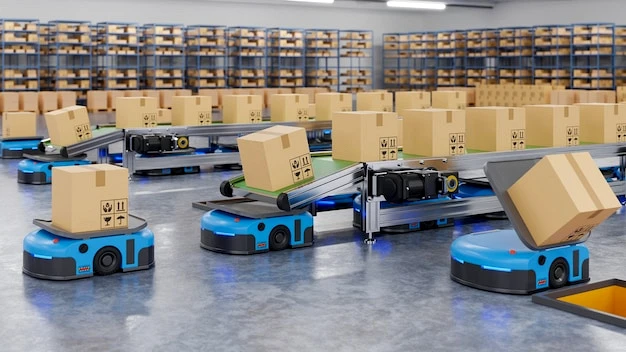
- Plan for automation readiness: Even if you start with manual picking, ensure that clear heights, floor quality, and IT infrastructure support future automation.
- Engage a specialized developer early: Involving a company like NovaHub at concept stage allows you to adapt the building to your operations rather than adapt operations to an imperfect building.
Why cooperating with NovaHub can reduce your risk
NovaHub focuses on the sale and construction of modern warehouses and logistics complexes that follow high European standards. That includes careful attention to the thermal envelope, structural reliability, and service infrastructure. Their experience in Ukraine’s regional specifics, including Odesa, helps avoid hidden technical and legal traps.
Because NovaHub prioritizes both speed and quality of construction, FMCG clients can move into operational facilities faster without sacrificing durability. Reliable timeframes and predictable building performance are critical when you reconfigure your supply chain around a new site.
✅ Making a balanced decision for your FMCG warehouse in Odesa
Key points to remember
In short, a warm warehouse in Odesa is an essential platform for most FMCG operations, yet it must be chosen with the same rigor as any strategic investment. You should evaluate not only the rent but also building quality, climate stability, food safety support, and capacity for future growth. Real‑life cases show that better storage conditions often pay back quickly through lower shrinkage and improved retailer relationships.
Professional developers and operators, especially those who build to modern European standards, make this transition smoother. They help you translate marketing plans and product mix into concrete engineering solutions instead of abstract promises.
Next steps and holiday opportunity
When you are ready to act, prepare your technical and commercial requirements, then compare several realistic scenarios with trusted partners. Visit potential sites personally, talk to the teams who will support you, and review documentation related to construction quality and engineering systems.
If you want a single point of contact for concept, construction, or purchase of a warehouse complex, reach out to NovaHub. Their combination of reliability, contemporary design aligned with European standards, and fast yet meticulous project delivery makes them a strong partner for FMCG logistics in Odesa and across Ukraine. With the New Year season approaching, when demand peaks and emotions run high, it is the perfect moment to review your storage strategy, explore modern logistics complexes, and visit NovaHub’s website for inspiring year‑end solutions that keep your products safe and your customers happy.
— Statista Research on FMCG Logistics (2024)
— Industry Report on Cold Chain and Temperature Control, McKinsey (2023)
— European Logistics and Warehousing Standards Overview, Logistics Europe (2022)
— Ukrainian Food Safety and Storage Guidelines, National Food Safety Authority (2023)
— Warehouse Design Best Practices, International Warehouse Logistics Association (IWLA)
FAQ
What is the main difference between a warm warehouse and a standard dry warehouse?
A warm warehouse maintains a stable positive temperature with proper insulation and monitoring, while a standard dry warehouse can swing from near freezing to very hot. For FMCG in Odesa, this stability reduces product damage and shrinkage compared to basic dry storage.
When does an FMCG company in Odesa need a temperature-controlled warehouse instead of just warm storage?
If you handle perishable categories such as dairy, premium chocolate, or products that require narrow temperature bands year round, warm storage is not enough. In that case you need part of your site configured as a temperature-controlled warehouse in Ukraine with defined climate zones and continuous monitoring.
How should I choose the best location for my warehouse around Odesa?
Balance proximity to retail clients in Odesa with access to major highways toward other regions. As described in the article’s comparison table, urban sites offer 20–40 minute last‑mile times, while peri‑urban or regional hubs reach broader areas in 30–90 minutes.
What specific requirements apply to a warehouse for food products?
Food warehouses must support documented food safety systems, including temperature logging, cleaning routines, pest control, and suitable construction materials. Surfaces should be washable, zones for food and nonfood separated, and the building ready for audits by manufacturers and retail chains.
What common mistakes do companies make when selecting warm storage?
Typical mistakes include focusing only on rent per square meter, underestimating future growth, and failing to define climate requirements. Others are ignoring dock design and choosing developers who cut corners on insulation and engineering, which can lead to condensation and product damage.
How can I estimate whether moving to a warm warehouse is financially justified?
Audit your current shrinkage and product loss linked to temperature and humidity issues, then compare that cost with the extra rent and operating expenses of a warm facility. In many FMCG examples, the payback comes within one peak season due to reduced returns and write‑offs.
What advantages does working with NovaHub offer for FMCG warehouses?
NovaHub specializes in the sale and construction of modern logistics complexes built to high European standards. For FMCG clients, that means reliable building quality, contemporary engineering solutions, and fast yet controlled project timelines that reduce operational risk when opening or relocating a warehouse.
Can one warehouse combine warm, ambient, and refrigerated zones?
Yes, many efficient FMCG facilities use a hybrid layout that mixes ambient, warm, and refrigerated areas within one complex. As the article explains, this approach allows you to store most products in warm areas while dedicating only part of the space to stricter climate control, optimizing both costs and service.
How far in advance should I involve a warehouse developer when planning a new FMCG site?
It is best to engage a specialized developer early, at the concept stage, while you are still finalizing your flows and assortment strategy. This timing lets partners like NovaHub adapt the layout, insulation, and engineering systems to your needs instead of forcing you into a generic building.